
Introduction

Introduction
Welcome to Reasonable adjustment in the practice setting, the first of three learning resources about Reasonable adjustments and underperforming students. This resource is designed to guide Nursing, Midwifery and Allied Health Professions (NMAHP) educators within the practice setting who are, or will be, working with a student where reasonable adjustments should be considered to allow the student to safely perform during practice placement or when undertaking a learning experience within the practice setting.
The aim of this series is to support educators to consider how to apply the principles of learner-centeredness, individualisation and context-specific solutions when implementing reasonable adjustments.
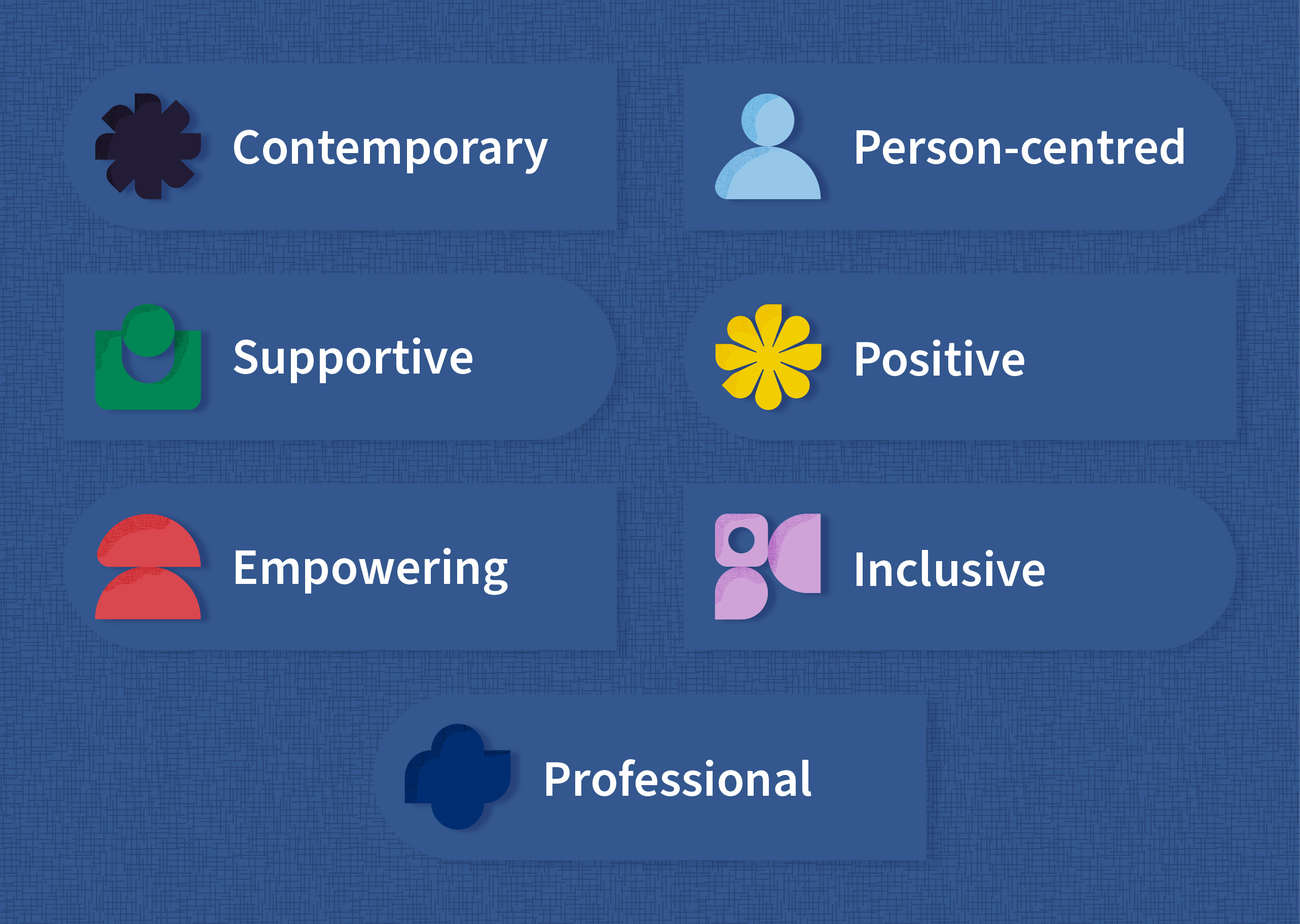
This series of learning resources has been developed with these principles in mind:
The other resources in this series are:
|
|

|
|

This resource is aimed at NMAHPs who have practice components within their learning programmes. The resource is informed by seminal and current health and social care literature and inclusion within this resource reflects the transferability and relevance of the literature to any NMAHP discipline.

Presentation needs to be hosted publicly somewhere online to be embedded here, for example on Vimeo, and I will need the hyperlink once it is.
Before accessing this resource, if possible please listen to this presentation to review or update your knowledge about The Social Model of Disability. Developed by disabled people, The Social Model of Disability helps us to view the world in a way that encourages us to understand how people are disabled by barriers in society, not by any impairment or difference (the presentation is approximately 11 minutes long).
|
|
The term ‘educator’ is used throughout the resource as a generic term that encompasses the various titles of those who support, supervise and assess pre- and post-registration students during practice based learning experiences (practice supervisor, practice educator, mentor, practice assessors). |

Acknowledgements
We are grateful to the colleagues and subject experts whose knowledge and work have contributed to this resource, particularly Dr Anne Marie Craig, Head of Division Adult Nursing and Healthcare, School of Health and Life Sciences, University of the West of Scotland.
Introduction